
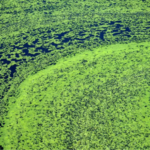










Homeowners in Charlotte County, Florida, are facing rising costs as the local government prepares to modernise its wastewater infrastructure and reduce pollution entering Charlotte Harbor. The Daily Sun reported that sewer connection charges for some properties have reached $17,596, while reporting by Gulfshore Business and information published by Charlotte County highlight the scale of the utility upgrades and the changing fee structure. The financial pressure comes as the county works to expand its treatment capacity and meet stricter requirements for removing nutrients from wastewater. Nitrogen and phosphorus, which can enter waterways through sewage, septic systems and fertiliser runoff, encourage algae growth and can damage aquatic habitats.There is, however, an important distinction in the latest fee information. Charlotte County commissioners voted in July 2026 to roll back utility connection rates to the levels in effect before April 1, after residents raised concerns about receiving notices requiring them to connect to the county system. The county’s July sewer guidance lists connection costs of $11,343 for an average home using gravity sewer. The $17,596 figure therefore should not be treated as a universal current charge; the amount depends on the type of connection and applicable rate schedule.The county’s utility programme is also being shaped by a broader environmental deadline. Florida’s Department of Environmental Protection has identified Charlotte Harbor as impaired by nutrient pollution. State requirements call for wastewater facilities in affected areas to meet advanced treatment standards, with a 2034 deadline applying to certain facilities using reclaimed water for irrigation or other land applications where nutrient pollution is a contributing factor.The scale of the work is considerable. Charlotte County Utilities has previously estimated that its wider water and sewer improvements could cost about $1 billion. The investment is expected to be funded through a combination of customer payments, connection charges, sales tax revenue and state and federal grants.The county’s East Port Water Reclamation Facility is among the first major projects. Its expansion will increase treatment capacity from six million gallons per day to nine million gallons, while adding advanced wastewater treatment to remove more nutrients. The project has a reported budget of about $109.5 million and was listed as 93% complete in the county’s November 19 update.Further improvements are planned at other facilities, including Burnt Store, West Port and Rotonda, as officials work towards the state’s treatment requirements. The environmental stakes are visible in the condition of the harbor’s underwater meadows. Seagrass provides habitat for fish and other marine life, helps stabilise sediments and supports the region’s recreational fishing economy. Research published by UF/IFAS Extension Charlotte County documented a 23% decline in seagrass coverage across Charlotte Harbor and Lemon Bay between 2018 and 2021. The Southwest Florida Water Management District’s mapping also recorded continued losses in Charlotte Harbor through 2024, when coverage reached just over 14,000 acres.Excess nutrients can give fast-growing algae an advantage over seagrass. Algae can spread across underwater meadows, block sunlight and contribute to habitat decline. Scientists have cautioned that the losses have multiple possible causes, including algae blooms and wider environmental conditions, rather than a single source of pollution. The county is also continuing to examine how septic systems affect water quality. Researchers at Florida State University are studying how nitrogen moves through different soil types, while local officials have said they intend to prioritise older and outdated septic systems near waterways for conversion to sewer service.For residents, the challenge is balancing the cost of connecting to public sewer infrastructure with the longer-term need to protect the harbor. The upgrades are intended to improve wastewater treatment as the county grows, but the changing fee schedules mean homeowners should check the current rate and connection requirements for their individual property before budgeting for the work.