






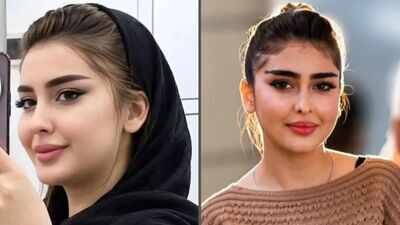
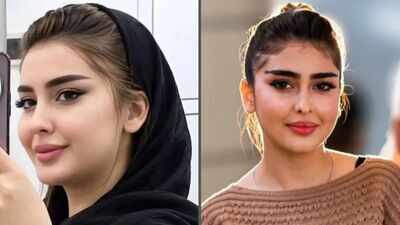
A 19-year-old pregnant woman has been killed by her parents in an alleged honour killing in Iran, with rights groups saying she was beaten and strangled after telling her family she was two months pregnant.Police in the western Iranian city of Sanandaj have arrested the parents of Helia Fattahi on charges of killing their daughter, the Iran International reported.Both allegedly confessed during questioning, Shahram Abdi, head of the criminal police in Kordestan province, said on Tuesday.Detectives visited the family’s home after receiving a report of a young woman’s death and concluded that she had been murdered, Abdi said.Police cited “family disputes” as the motive but did not comment on Fattahi’s pregnancy or how she was killed. Fattahi was killed on Saturday night at her family’s home in the Naysar neighbourhood of Sanandaj, Iran International reported, citing rights group Hengaw.According to the group, she had disclosed her pregnancy to her family the previous week, following a relationship with a young man. Her parents allegedly beat her before strangling her.Hengaw and another rights group, Hana, described the killing as a so-called honour killing. However, reports differed on her age, with police and Hengaw identifying her as 19, while Hana said she was 16.
Third killing of a young woman in a week
Fattahi’s death is the third killing of a young woman or girl in Iran in a little over a week to draw widespread attention.Earlier, on November 18, 23-year-old Sadaf Haghbin was shot dead at her birthday party in Gilan province in northern Iran. Iranian media reported that her former boyfriend was the gunman and allegedly killed her after she refused to marry him.Days earlier, 16-year-old schoolgirl Sogand Sayadi died after falling from the fifth floor of a building in Kermanshah.A national network of teachers’ unions said Sayadi had warned school staff that her father would kill her if they sent her home with him. The coroner said she died from injuries sustained in the fall, while the provincial prosecutor said the circumstances were being investigated.At least 84 women and girls were killed in Iran between March 21 and October 13, with 75 of the cases involving perpetrators known to the victims, according to a tally of media-reported killings cited by Iran International.Twelve of the victims were under 18, and eight were killed by their fathers, brothers or other blood relatives. The figures cover only cases reported by the media.Ahead of Wednesday’s International Day for the Elimination of Violence against Women, Hana said it was alarmed by the rise in recorded killings of women in Iran.The rights group said the absence of transparent data and the large number of unreported domestic violence cases made it impossible to determine the true scale of the problem. It called for women at risk to have access to safe shelters and legal protection.A bill aimed at protecting women from violence has been shuttled between the government, parliament and other state bodies for more than 15 years but has yet to become law.Under Article 301 of Iran’s Islamic Penal Code, fathers and paternal grandfathers who kill their children are exempt from qisas, or retribution in kind, which is the punishment prescribed for most murders. The exemption does not extend to mothers.Following Sayadi’s death, lawyers and women’s rights activists called for changes to the law and stronger legal protections for women.The latest killing comes amid growing scrutiny of Iran’s treatment of women, including its punishment of female performers who defy restrictions.Iranian singer Parastoo Ahmadi, 29, and four members of her concert team were flogged 74 times each in Qom on Monday for performing without a head covering, a defence lawyer told the BBC.Ahmadi was punished for performing in a sleeveless dress with her hair uncovered during an online concert in December 2024, defying Iran’s mandatory hijab rules.Iranian authorities subsequently opened a case against Ahmadi and members of her production team over an “illegal concert”. Women have been banned from singing solo in public in Iran since the 1979 Islamic Revolution.