

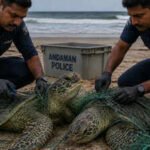





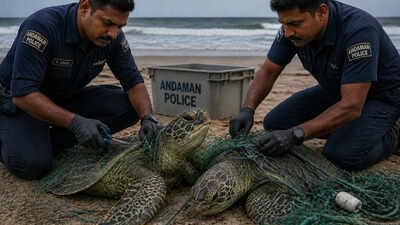
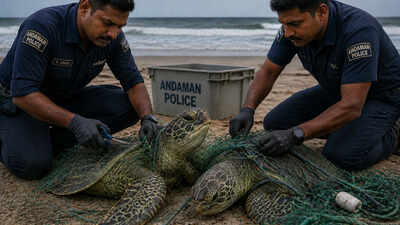
Ghost nets, as horrifying as the name sounds, are an equally frightening reality for marine wildlife. We as humans have a weird tendency to think that the world belongs to us and, with that, we have ownership over all the creatures that inhabit it. Our ships pollute the seas, our industries cut down the forests that are home to countless animals, and our mines destroy colonies of insects. And if that’s not enough, we leave our waste behind in nature, waste that we know will take years to decompose and will only harm the local flora and fauna. Somewhere along the way, we forget that these creatures have their own place in the world, independent of our needs and wants, and must be treated as such. The Earth is their home as much as it is ours.Often made from nylon and other synthetic fibres, ghost nets are fishing nets that have been lost, abandoned or discarded in the ocean. Unlike other waste, these nets do not simply disappear once they are left behind. They continue drifting through the water, trapping fish, turtles and other marine animals that get caught in them. And something very unfortunate happened in the Andaman Islands when two green sea turtles, an adult and a juvenile, became trapped in these abandoned fishing nets.As per a video released by the Andaman & Nicobar Islands Police facebook handle, personnel from the Andaman and Nicobar Police spotted two green sea turtles, an adult and a juvenile, entangled in discarded fishing nets near Narcondam Island. The police personnel carefully cut through the tangled nets to free the turtles and ensure they could return safely to the ocean. The entire rescue was also captured on video, showing the personnel working to release the two marine animals.
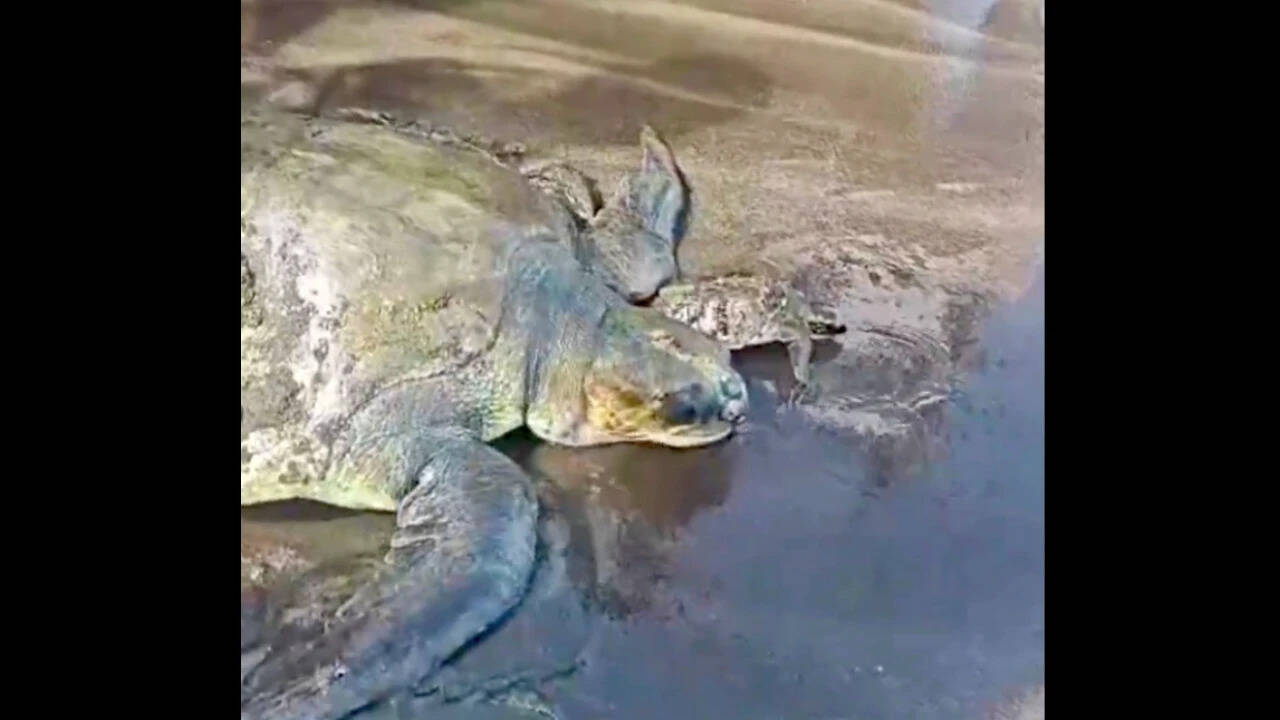
Personnel of the Andaman and Nicobar Police rescued two Green Sea Turtles entangled in discarded ghost nets (IANS)
How the Andaman Police rescued two green sea turtles from ghost nets
The rescue took place on Narcondam Island, a remote island in the Andaman and Nicobar archipelago. According to IANS, personnel from the Andaman and Nicobar Police spotted two green sea turtles, an adult and a juvenile, entangled in discarded fishing nets. The situation required careful intervention, as the nets had wrapped around the animals and restricted their movement.The police personnel carefully cut through the tangled nets to free both turtles. Once they were released, the two animals were safely returned to the ocean. A video of the rescue also captured the personnel working to remove the nets and help the turtles escape, and the police officers are getting their due applause as netizens commend their incredible task.While the rescue brought a positive outcome for the two animals, it also draws attention to a much larger problem. Fishing nets abandoned in the ocean can continue to pose a threat to marine life long after they have been discarded. For the animals that become trapped in them, there is often no one around to intervene in time.
Why ghost nets continue to threaten marine wildlife
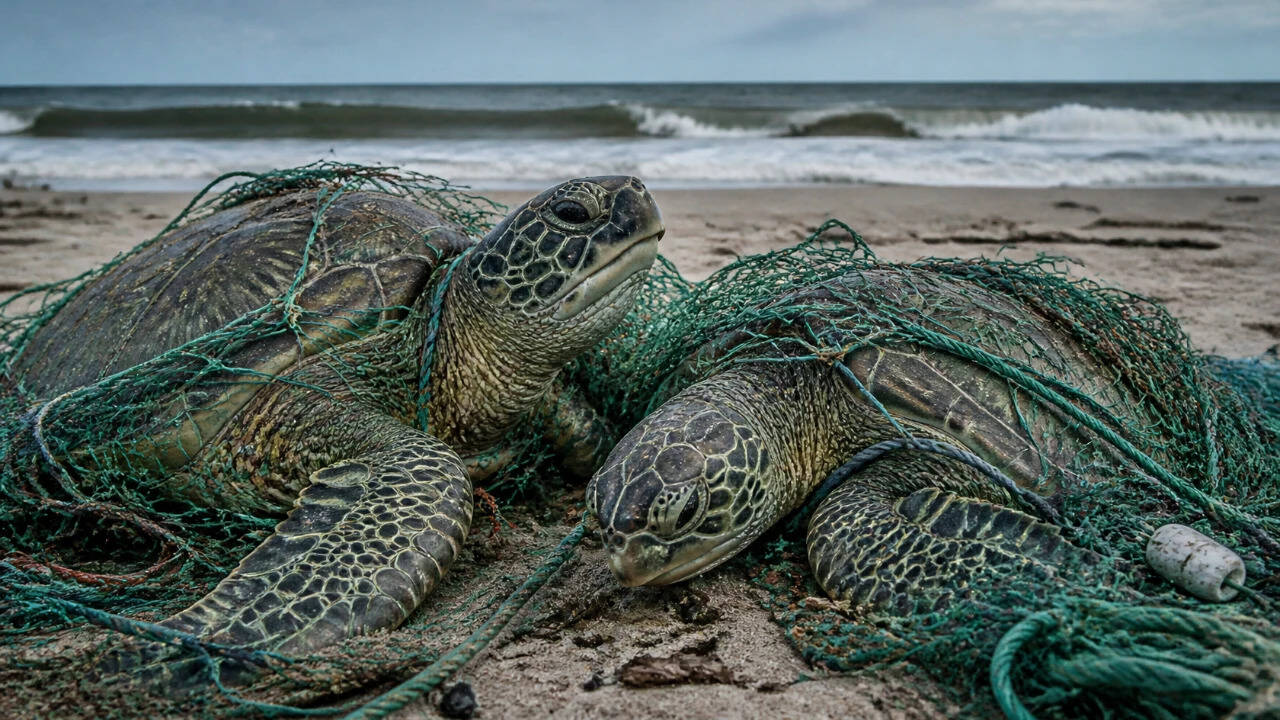
AI representative image of 2 green turtles entangled in the ghost nets left by human
The damage caused by ghost nets goes beyond the animals that get caught in them. As these nets drift across the ocean floor, they can scrape against coral reefs, damage underwater habitats and disturb the whole ecosystem that marine species depend on for food and shelter. Since many of these nets are made from synthetic materials, they can also break into smaller pieces over time, adding to the problem of plastic pollution in the oceans. There is also another concern: as these plastic nets disintegrate, they can break down into smaller pieces that may be ingested by fish and other animals. When these animals are later consumed by humans, the plastic particles can potentially enter our bodies as well as those of our children, creating a much larger concern.The larger concern is that this damage is often difficult to detect and even harder to reverse. Nets can travel long distances with ocean currents, making it difficult to trace where they came from or who left them behind. By the time they are discovered, they may have already affected several parts of the marine ecosystem.The most troubling part of all this is how easily we overlook the consequences of our own actions once they are out of sight. The ocean is vast, and much of the damage happening beneath its surface rarely reaches our attention. But that does not make it any less real. Rescuing the turtles was a commendable job done by the police personnel on the island, but the larger responsibility lies in ensuring that fewer animals find themselves in such situations. After all, protecting wildlife cannot simply mean saving it when it is in danger; it must also mean being mindful of the dangers we create